
3 Biophilic Design Principles You Should Consider For a Built Environment
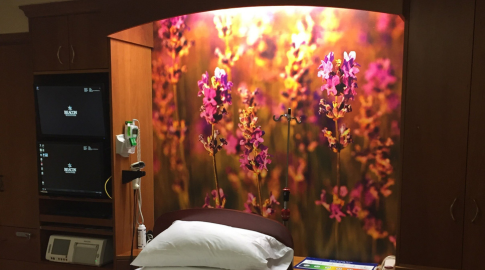
Bring the outdoors into a built environment with biophilic design principles that are simple to incorporate in any space. Biophilic design can be incorporated in any market, from healthcare to hospitality. Creating human-centered environments improves overall mood, reduces stress, and promotes well-being. In Healthcare markets, evidence shows that there are positive patient outcomes and long term benefits for staff, family and visitors of these community spaces.
Markets that can apply biophilic design principles with positive impacts include:
• Office design – increase productivity
• Hospitality – rooms with nature-inspired elements are proven to be more calming for guests
• Education – improve concentration levels and reduce environmental stress
• Healthcare – improve patient recovery times, promote healing, and reduce stress
• Retail – create a calming shopping experience with vegetation and landscaping
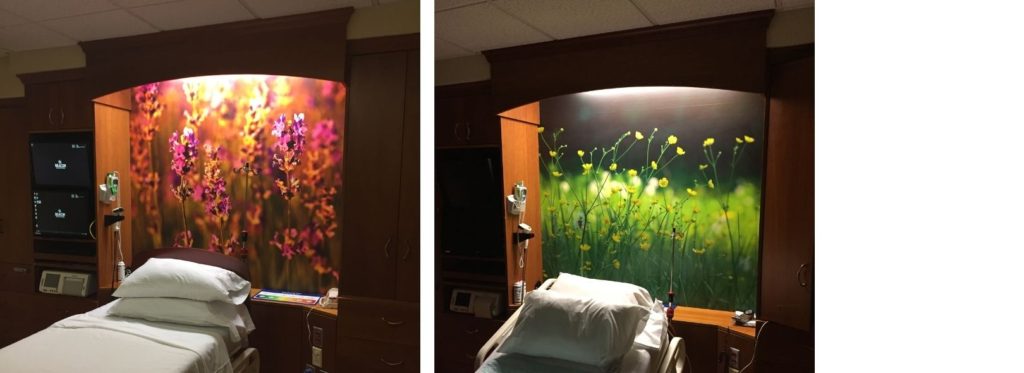
3 biophilic design principles you should consider when designing a built environment:
1. Make Biophilic Design a Priority in Your Budget
It is best to plan ahead and make biophilic design a priority in your budget. In the built environment, finishes typically fall at the end of the project and sometimes are VE’d due to lack of funds. Prioritize selecting textiles and finishes in the early design stages to ensure a beautiful and impactful end result.
2. Appeal to Multiple Senses
Biophilia, the human connection to nature, is achieved through exploring biophilic design that appeals to multiple senses including visual, physical, and rhythmic.
• Visual – Incorporate nature-inspired artwork or imagery and take note of the diffusion of light in the space. Water and fire are also visual elements that can also provide sound or rhythm.
• Physical – Use textiles inspired by nature such as woven materials, leather or faux leather, coral, leaves, flowers, plants, and more.
• Rhythmic – Incorporating music or sounds inspired by the outdoors adds another connection to nature.
3. Take Time to Select Quality Imagery
While biophilic design has many elements that can be added to a space, it is important to avoid several types of imagery. It is also necessary to understand the culture and demographics of the people utilizing the space for design success.
Avoid:
• Abstract images
• Threatening animal images
• Bare trees / seasonal images
• Imagery with storms or natural disasters
• Imagery and designs from a different region/landscape
Include:
• Calm water imagery
• Lush vegetation images
• Strong sunlight imagery
• Local landscape and design
Try these biophilic design principles in your next built environment! Remember to identify the desired responses and outcomes from those interacting with your space to achieve measurable, positive impacts.
Looking for visual biophilic elements? Check out our custom window films and panels to create privacy while incorporating biophilic design.

