
5 Tips for Healthcare Waiting Room Design
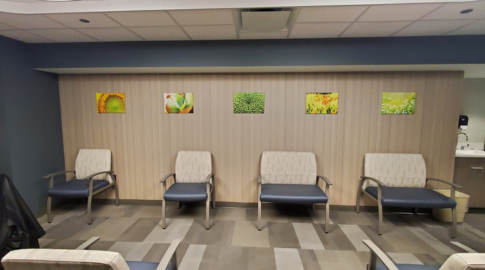
Healthcare waiting room design is a valuable investment in the healthcare experience of a patient and their family. It is often their first impression of how they will be treated and what they can expect and is also where they will spend most of their time during treatment. Creating a space that functions well in a healthcare setting and gives visitors a sense of comfort can be challenging. At Olee Creative, we work with architects, interior designers, artists, and healthcare professionals to provide the best healthcare waiting room design tips. Explore our design ideas in this article to get inspired!
Furniture
Many families in waiting rooms need space to talk privately or be together in peace. Having chairs lined up together can make it difficult for families to find a quiet place to discuss treatments, how they feel, and other private matters. Arranging chairs in small groups with space between them or creating areas with privacy dividers can make visitors much more comfortable in your waiting room. It is also important to keep traffic moving in a waiting room. Make sure there is plenty of space for walkways so visitors and staff can easily navigate the space.
Positive Distractions
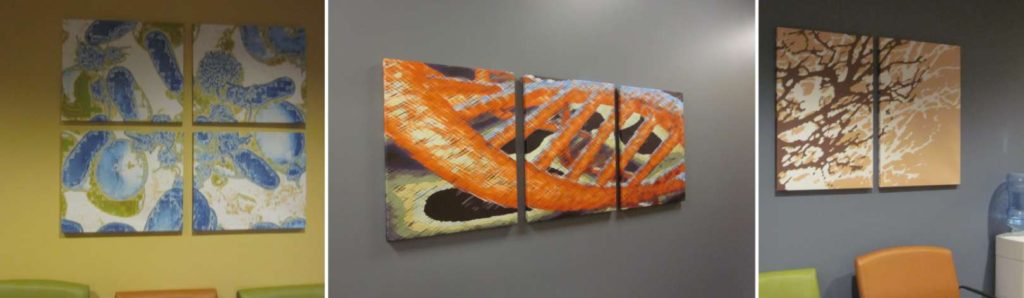
Positive distractions are a great element to incorporate in your healthcare waiting room design. It helps visitors pass the time and gives them a needed mental break. Many waiting rooms will have magazines or TVs for visitors to look at while they wait. Going beyond that, interesting art, interactive design, and spaces for children are all important elements to consider. The art you choose should not only look great but have an element of interest. Art displaying local landmarks, native plants, and information is interactive and interesting to visitors. You could even create a “meet the staff” graphic display so visitors can get to know who the healthcare professionals are and feel more comfortable in their care. Designated children's spaces are also important. Waiting rooms can be stuffy and confusing so incorporating a place for them to feel safe and entertained makes the experience more comfortable. Interactive displays and rooms or nooks with toys are a great way to entertain and distract children while they wait with their families. Check out some of the interactive magnetic graphics we’ve installed in healthcare facilities.

Lighting
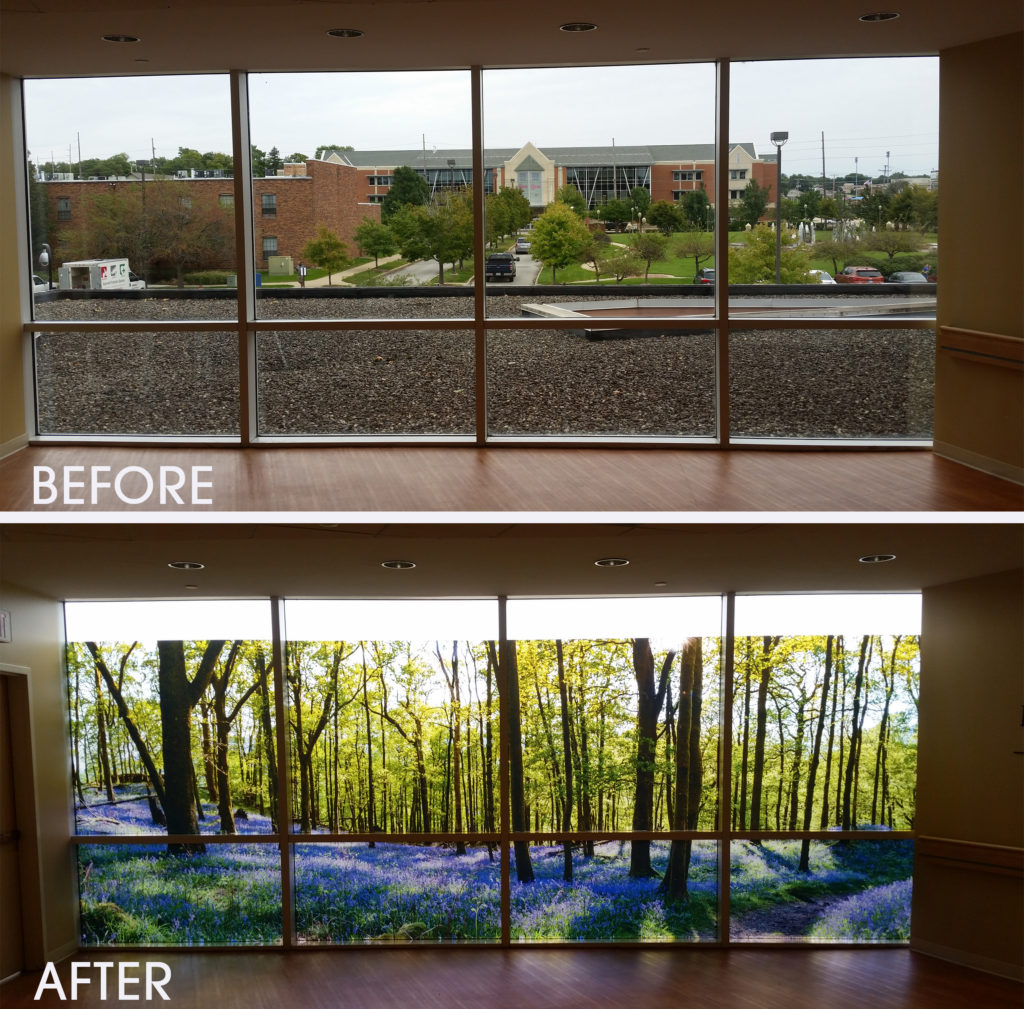
Lighting can make a significant impact on visitors. Harsh, fluorescent lights can make the space feel unwelcoming and sterile. Instead, try to incorporate as much natural light as you can. Natural light has a calming effect and can help your patients and their families feel more at ease. If large windows are a privacy concern or would show unsightly views, try to incorporate a decorative window film that blocks the view while still allowing light into the space. If windows aren’t possible, then soft, warm lighting is a great alternative to make your visitors feel at home.
Nature
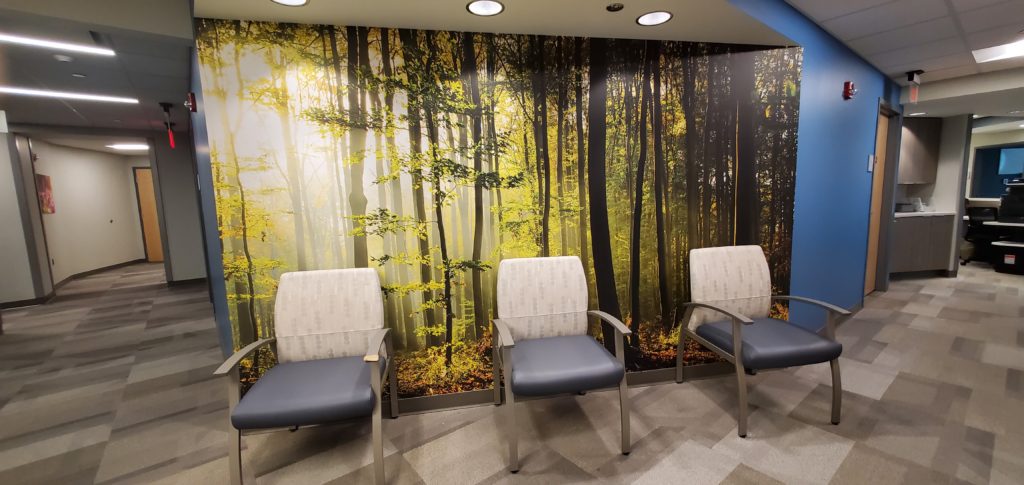
Along with sunlight, other aspects of nature have been proven to calm and comfort patients and families. Adding plants, outdoor views, and biophilic art are great ways to bring some nature into your healthcare waiting room design. Being in nature reduces stress by bringing down blood pressure, heart rate, and muscle tension. Healthcare facilities can be high stress environments for many people so it is important to decrease these stress levels in any situation possible. Just by incorporating natural elements to your waiting room, you can evoke the feeling of being in nature (biophilia). Art depicting wildlife and beautiful plants or adding subtle, natural designs to windows and furniture are just a few ways to bring the outdoors inside your waiting room!
Information Channels
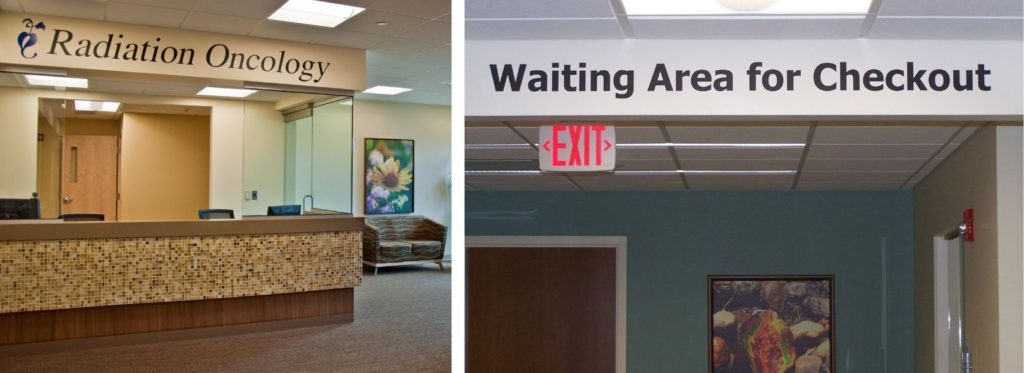
Perhaps one of the most important things to consider for your healthcare waiting room design is how accessible information channels are to visitors. Most waiting rooms have a receptionist to rely on but the more channels you provide, the better. Wayfinding signage to help visitors find food, drinks, restrooms, and other rooms in your facility is a great, simple way to help guide visitors who are not familiar with the space. If visitors often have similar questions, an FAQ infographic may be appreciated so they don’t have to ask the receptionist. The more visitors know, the more comfortable they will be in your space. Providing lots of information and resources to answer questions builds trust with patients and their families. Using magnetic wall panels and graphics is an easy way to incorproate information on a wall that can be quickly updated when needed. Check out some of our wayfinding graphics and magnetic information wall panels.
Our Olee Creative team has years of experience working with professionals to develop design elements for healthcare facilities. We can help you from initial brainstorming to implementing memorable designs. If you want to explore more healthcare waiting room design ideas, get in touch with our experts today!
Check out several of our projects in healthcare waiting rooms!
South Bend Med Foundation Custom Medical Office Wall Art
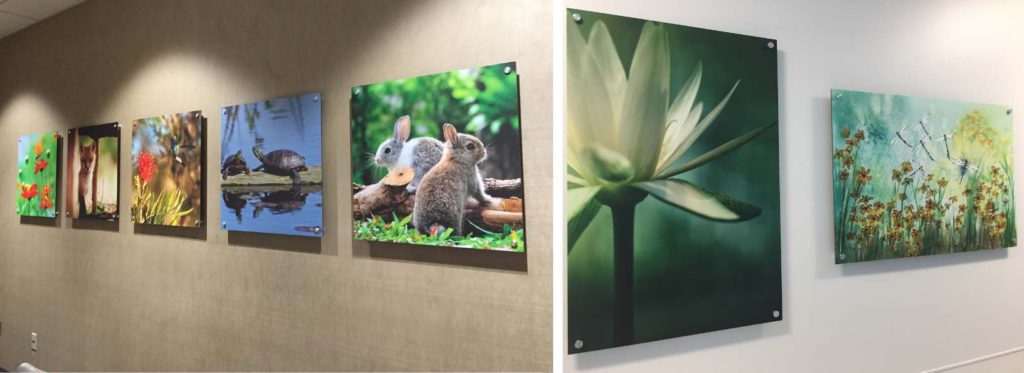
Beacon Health Bone & Joint Specialists
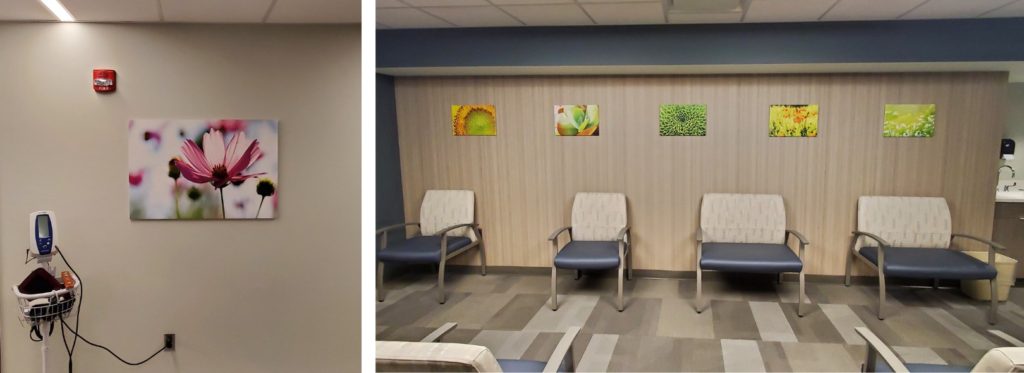
Beacon Medical Group ENT Center
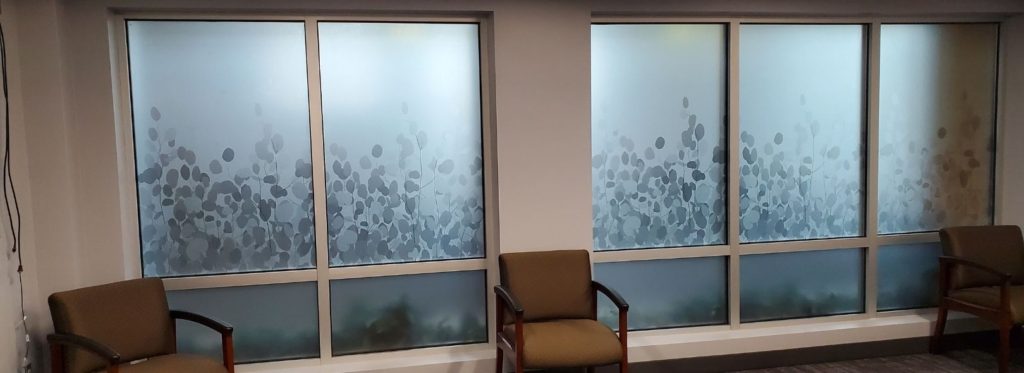
Sources:
https://facilityexecutive.com/2016/06/healthcare-waiting-room-design/
